Number Games for Curious and Competitive Minds
13 July 2026 | 98
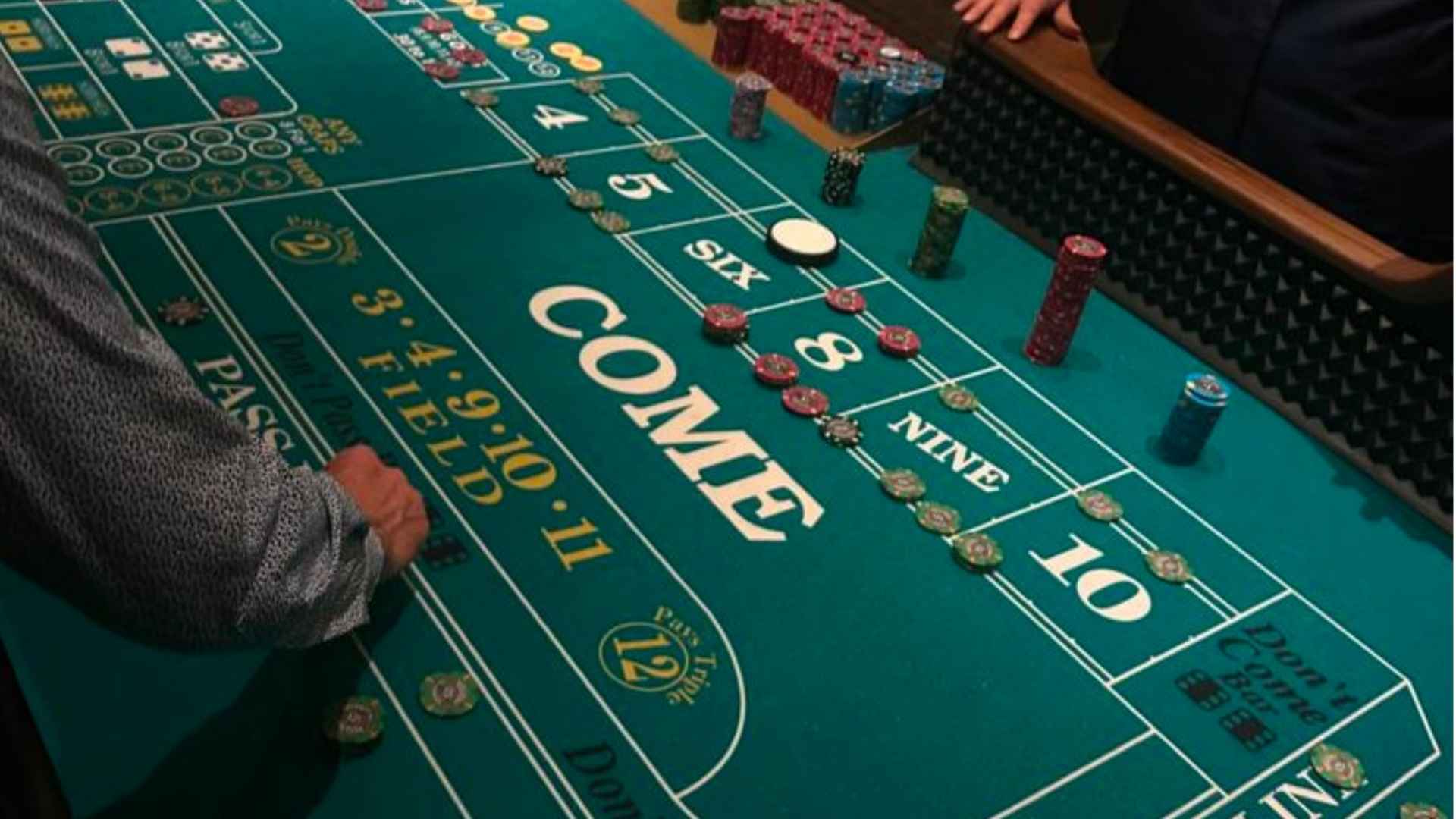
The human brain possesses an innate desire to decode patterns, solve mysteries, and engage in friendly rivalry. Numerical challenges have transitioned from traditional classroom drills into sophisticated environments that appeal to both casual solvers and strategic experts. By engaging with these puzzles, individuals can discover a unique intersection of scientific logic and psychological fulfillment.
The Multi Faceted Appeal of Modern Digit Challenges
Numerical puzzles attract a wide range of individuals because they naturally accommodate diverse cognitive styles. Curious minds are drawn to the hidden layers of logic embedded within complex mathematical matrices. Meanwhile, competitive personalities thrive on speed solving, leaderboard rankings, and personal growth benchmarks.
This dual nature creates an immersive ecosystem where regular engagement builds valuable cognitive resilience over time. Modern digital platforms allow players to customize their experiences, transitioning seamlessly from relaxed exploration to high stakes competition. Exploring these distinct paths helps participants maintain an active, highly versatile mental toolkit.
Cognitive Evolution and Strategic Growth
Regularly practicing number puzzles stimulates vital regions of the prefrontal cortex responsible for tactical decision making. Players learn to move away from random guessing and instead rely on rigorous systems of elimination. This methodical framework trains the mind to process multiple outcomes before executing a final option.
Over time, these activities cultivate a distinct strategic mindset that easily translates into real world professional scenarios. Developing players learn the value of patience, resource allocation, and identifying highly restricted variables early. Many analytical environments, including the M88 Msports Login platform, emphasize these exact traits of focused assessment and structured logic.
The Psychology of Numerical Victory
Overcoming a complex logical barrier triggers a distinct neurological reward mechanism that reduces daily stress levels. The satisfaction derived from resolving an intricate digit matrix provides an instant, healthy dose of confidence. This positive reinforcement encourages players to seek out increasingly difficult scenarios to test their limits.
Furthermore, the structural predictability of mathematical systems offers a comforting contrast to the chaotic nature of daily life. Within a well designed puzzle, every action has a clear, logical consequence that can be deduced with enough effort. This structural clarity allows individuals to enjoy a balanced mixture of deep cognitive exercise and mental relaxation.
Cultivating Long Term Brain Health
Committing a few minutes each day to numerical deduction supports working memory preservation and information processing speeds. Experts frequently recommend structured logic puzzles as excellent protective habits for maintaining mental agility across all age brackets. The continuous formation of new neural pathways helps safeguard cognitive longevity over the years.
Ultimately, the journey from an enthusiastic novice to a master tactician offers a profoundly rewarding personal milestone. By choosing to embrace these mathematical challenges, players unlock a sustainable path toward continuous intellectual improvement. The world of numbers remains an open invitation for anyone wishing to sharpen their analytical horizons.