How Players Adapted To Different Table Responsibilities
16 August 2026 | 284
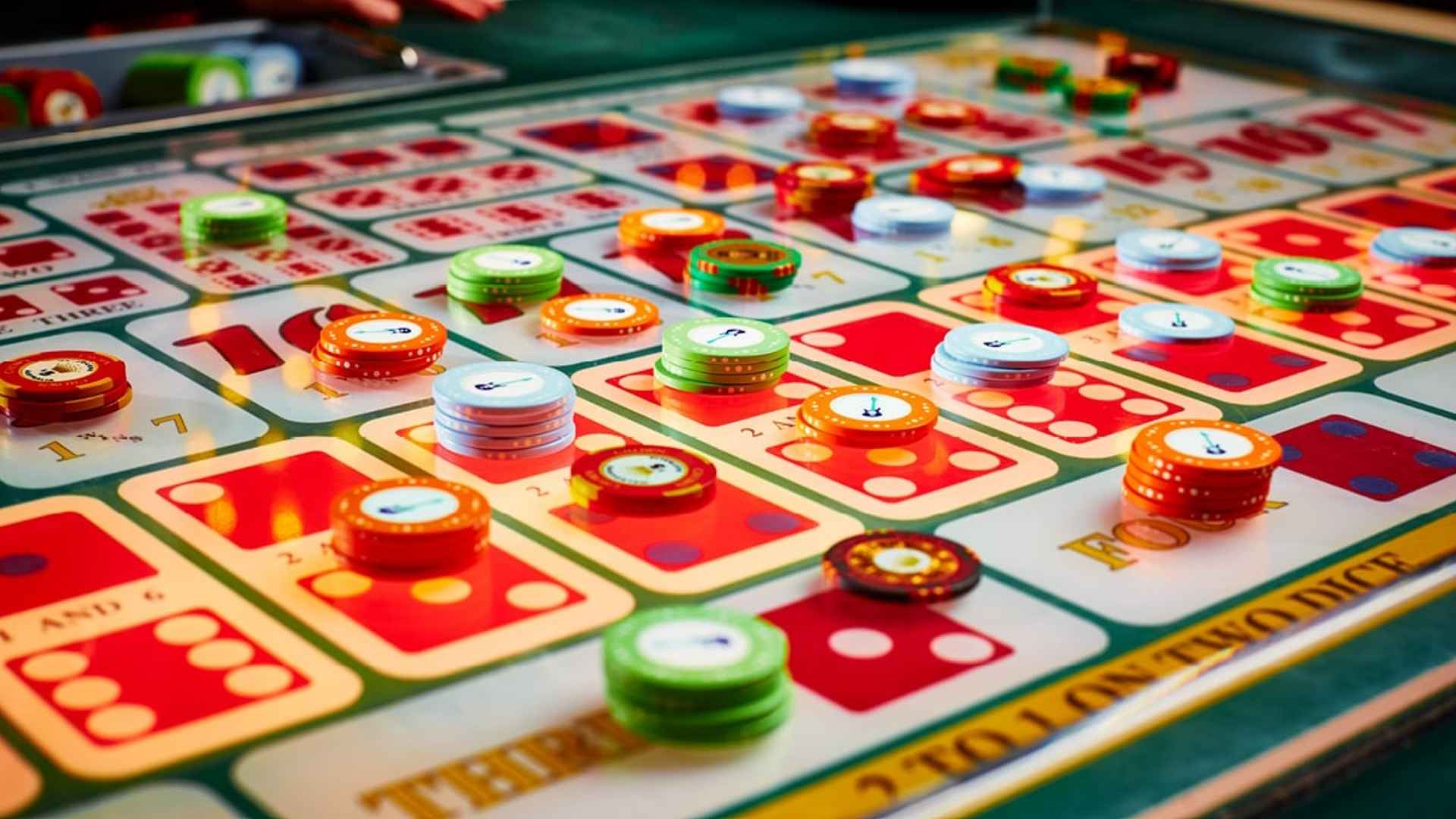
The history of traditional card games reveals a fascinating dynamic regarding how participants interacted with the game rules and each other. Long before contemporary gaming houses completely automated table roles, players frequently stepped into active operational roles during a single session. Understanding these shifts provides clear context into how early communities managed games based entirely on shared participation and mutual trust.
The Shared Role of the Historical Banker
In classical European card rooms, holding the bank was rarely a fixed job managed by an external institution. Instead, the responsibility of managing game capital regularly shifted clockwise around the layout or was accepted by volunteers willing to back the action. This required participants to remain highly alert, as they had to track varying financial obligations and player configurations from round to round.
As these duties rotated, players quickly learned to adjust their risk management strategies depending on their physical location at the table. Being the banker meant absorbing the collective wagers of the room, which required immense psychological composure and careful observation. This shifting structure turned every card session into an interactive social puzzle rather than a predictable, repetitive sequence.
Refining Strategies Across Regional Variations
As traditional baccarat formats migrated into different gaming circles, the rules evolved to accommodate more flexible decision-making. Variants like Chemin de Fer pushed players to take direct responsibility for drawing additional cards rather than relying on automatic calculations. This added layer of personal choice meant that a participant's reputation and observational skills directly influenced the collective table outcome.
Over the decades, these highly interactive dynamics began transitioning into specialized digital structures designed for accessibility and modern comfort. Enthusiasts looking to study how these multi-role configurations translate into contemporary setups can easily visit m88.com mobile to observe modern live tables. This transformation allows users to enjoy classic card-comparing tension while advanced automated software manages the complex mathematical banking tasks behind the scenes.
Evolution Toward Centralized Table Control
The gradual shift toward a single, permanent house dealer changed how players approached table engagement entirely. By removing the operational burden from the participants, modern formats allowed players to focus exclusively on their immediate wagering choices. While this streamlined the pace of play significantly, it also altered the rich social environment that defined early gaming history.
Ultimately, analyzing how early players adapted to diverse table responsibilities underscores the deep versatility of traditional card games. Recognizing the historical transition from active role-playing to simplified modern participation offers a complete view of casino culture's ongoing evolution. By studying these historical adaptations, contemporary players can look past modern shortcuts to appreciate the sophisticated heritage of global gaming.