Bridge Games That Build Reliable Strategic Thinking
22 July 2026 | 46
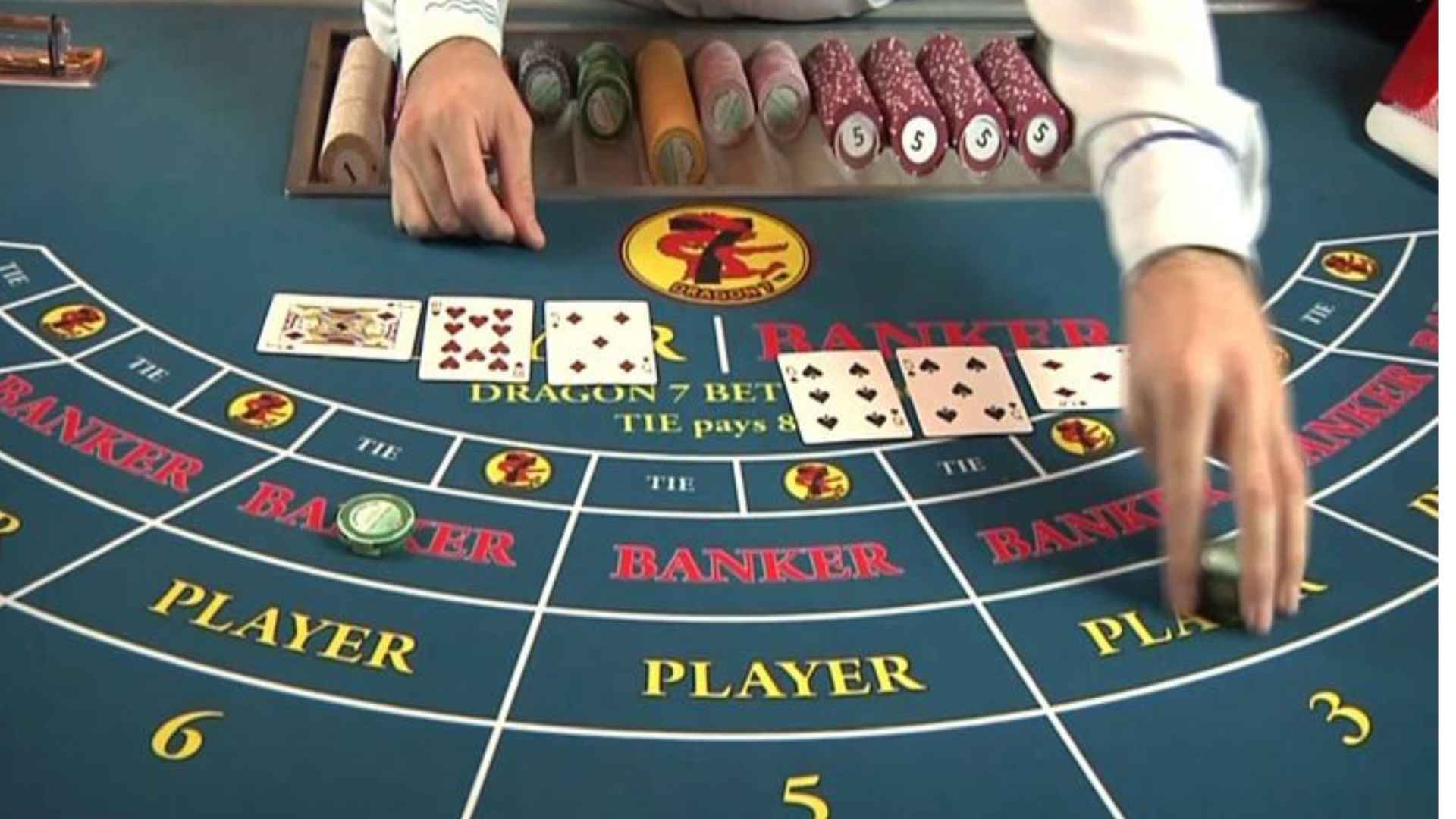
Engaging in duplicate bridge offers players a profound way to develop structural logic and cognitive endurance. Unlike games that depend heavily on the luck of the draw, bridge rewards systematic analysis and calculated foresight. By consistently navigating the complexities of card distribution, participants naturally sharpen their long-term planning capabilities.
The Core Logic of Bidding Systems
The auction phase of a bridge game serves as a highly structured communication challenge between partners. Players must use limited, formal bids to convey precise information about their hand strength and suit distribution. This process forces individuals to think ahead and build an adaptable roadmap before a single card is played.
Mastering these collaborative systems trains the human brain to evaluate probability dynamically under changing circumstances. Over time, this disciplined approach helps players eliminate impulsive choices and rely entirely on evidence-based deductions. Enthusiasts looking to sharpen their analytical skills often follow updates on the Mansion Sports platform to see how structured mind sports enhance focus.
Developing Spatial and Probabilistic Vision
Once the play begins, keeping track of every card falling on the table becomes the ultimate milestone for victory. Skilled players do not just look at their own hands; they mentally map out the missing honors across the board. This constant tracking builds a detailed mental layout of the hidden cards held by the opponents.
Predicting the distribution of remaining suits allows players to execute finesses and defensive maneuvers with high precision. This regular exercise in card reading strengthens pattern recognition and logical reasoning skills significantly. Consequently, the mind learns to handle incomplete information in a calm, highly organized manner.
The Importance of Cooperative Synergy
Bridge is unique because an individual cannot achieve consistent tournament victories entirely on their own merits. Success relies heavily on the synergy, absolute trust, and subtle signaling established within a partnership. Both players must constantly align their strategies to successfully defend or declare a difficult contract.
Learning to interpret a partner's tactical intent cultivates deep behavioral restraint and situational awareness. It teaches individuals to look at a complex problem from multiple perspectives simultaneously to achieve a unified goal. This collective effort transforms standard card play into a reliable exercise for real-world leadership and coordination.
Building Mental Discipline and Composure
Navigating competitive bridge tournaments demands long periods of intense mental focus and emotional composure. A single careless mistake can alter the entire outcome of a match, testing a player's psychological resilience. Facing these high-pressure scenarios regularly teaches individuals to maintain clarity during stressful situations.
Reviewing previous matches provides excellent paths for continuous improvement and lifelong learning opportunities. Experienced competitors learn to accept losses objectively and adapt their approaches for future deals. Ultimately, the cognitive habits formed at the bridge table serve as a powerful foundation for reliable everyday decision making.